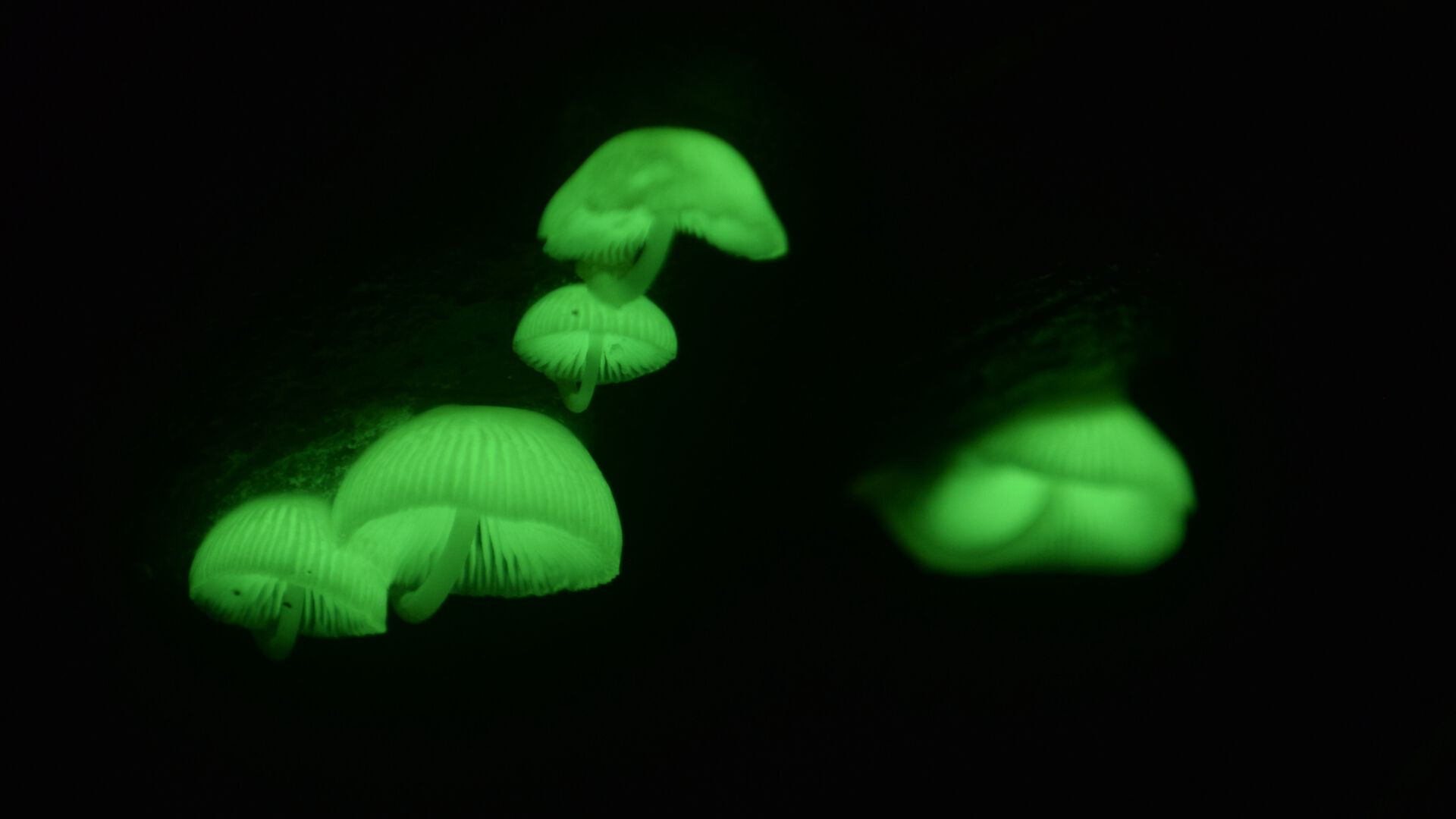
Carrying more than you need is not advantageous, and this applies to genetics as well. Hence, genes and DNA that are not vital tend to disappear over time. When researchers examined fungi in the Mycena genus, they found much more DNA compared to other fungi. Some species have four to five times more DNA. Why?
"These fungi are like a mountain climber carrying a PlayStation. The best mountain climber is usually not the one with the biggest backpack," says Christoffer Bugge Harder from the University of Copenhagen. You carry what you require, but nothing more. That’s why it’s so peculiar that this fungus has kept all these genes.
At the same time, it turns out that this fungus can thrive in many different environments. It seems that the genetic baggage equips them for various lifestyles.
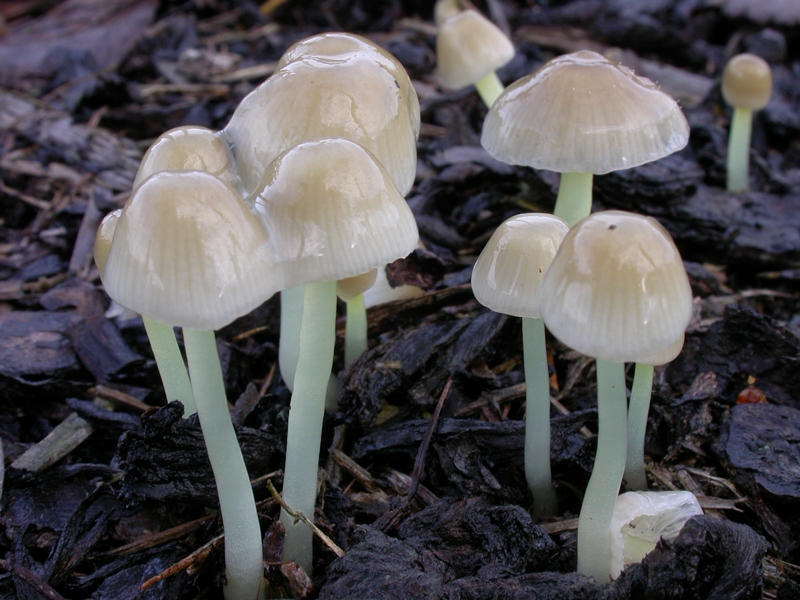
DNA: DNA stands for deoxyribonucleic acid. It is the “material” in which the characteristics of living beings are stored.
Gene: Genes are the part of the genetic material that encodes a protein or a trait.
Genome: The genome is the term for all the DNA of a living being, including both genes and non-gene DNA.
Base Pair: The code that gives rise to all characteristics is written using base pairs. There are four bases in DNA: A, T, C, and G. They pair up two by two. The sequence of these base pairs "codes" the genes. The parts of DNA that are not genes sometimes consist of repeating sequences of base pairs. For example, it could be ATATATATATATA... in a very long series.
The researchers found fungi in unexpected places
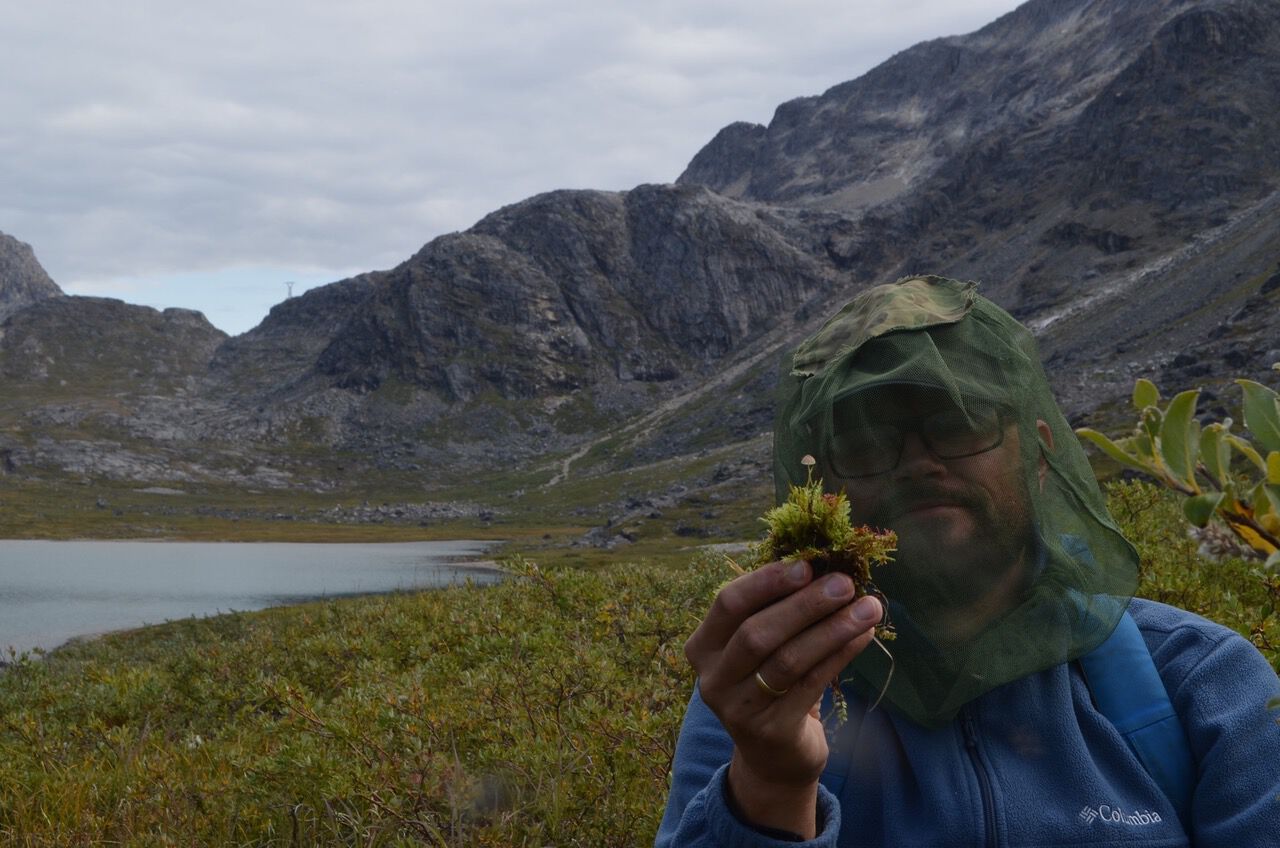
It all began when Professor Håvard Kauserud from the Department of Biosciences at the University of Oslo, along with his colleagues, set out to investigate the symbiosis of plants and fungi in Svalbard. They discovered something they initially thought was a mistake: they found DNA from Mycena fungi in plant roots. Mycena fungi are known for being decomposers. The researchers did not believe that Mycena fungi formed symbiotic relationships, known as mycorrhiza, with plants. When they found traces of Mycena fungi in many root samples, they realized they had stumbled upon something intriguing. Perhaps Mycena fungi had a secret life among plant roots?
Together with Bugge Harder, a postdoctoral researcher at the University of Oslo, Kauserud wanted to investigate what the Mycena fungi were up to. This would result in several surprises.
"We did not expect the Mycena fungi to have such enormously large genomes. We had assumed that the genomes would reflect their lifestyle as decomposers, but we didn't see this in the DNA," says Bugge Harder.
In a study led by Ella Thoen, they also observed that nutrients could be transferred between Mycena fungi and plants, somewhat like mycorrhizal fungi.
Record-breaking amount of DNA for a fungus
To better understand the Mycena fungi, researchers examined the genetic material of 24 different species in the Mycena genus. They discovered that Mycena fungi have an unusually large amount of DNA for fungi. On average, they had double the DNA of other fungi. The species with the most DNA had four to five times more than the average for other fungi. The investigation also revealed a record: the largest fungal genome found in this group of fungi so far. This record was held by the fungus Mycena olivaceomarginata, which has 501 million base pairs.
"This could seemingly be an advantage for them if living conditions were to suddenly change," says Bugge Harder.

The large genome suggests a secret life of the fungi
A large portion of the DNA appeared to have no function, which was a huge surprise.
"They have long, repeating sequences without any known function. In some of the fungi, 40 to 50 percent of the genetic material consisted of such sequences," explains Bugge Harder.
"Many of the fungi are also equipped with genes for almost everything, along with genes that seem to have no known function—a duplicate of a functioning gene. Theoretically, this means they are equipped to live in various ways. This is quite unusual among fungi. They usually don’t have all possible adaptations," says Bugge Harder.
Therefore, he believes that the Mycena fungi might have a secret life about which researchers know very little.
"We can see how some of them invade plants and become parasites, even though they’re not supposed to, since they are primarily decomposers," he says. "Fungi that live symbiotically with plants typically don't have genes for breaking down plant material because they don't need them. However, we see that these fungi, which are decomposers, have genes for both lifestyles."
This fungus has used all the tricks in the genetic toolbox
To acquire all these genes, the Mycena fungi have used all the strategies known to researchers:
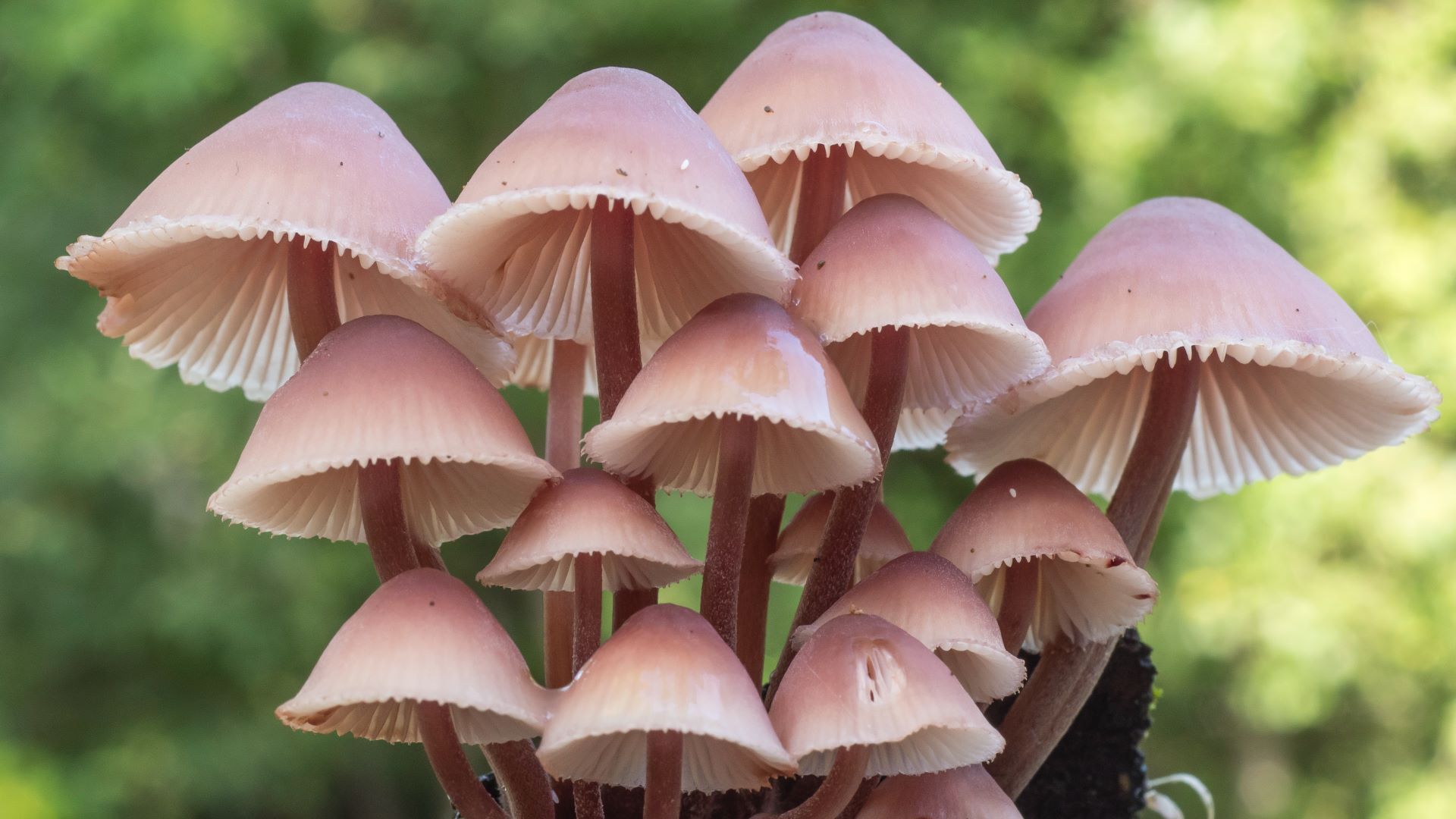
"These fungi have used all the tricks in the genetic toolbox," says Bugge Harder. They have employed what's called horizontal gene transfer, most commonly known among bacteria. They possess mobile DNA elements and have duplicated some of their genes, possibly even their entire genome.
The horizontal gene transfer, or "theft," of genes from other fungi is particularly surprising. It's common among bacteria but not as prevalent among organisms with a cell nucleus, such as fungi.
"One of the fungal groups they have taken genes from is Ascomycota, a sac fungi. They are as distantly related to Mycena fungi as humans are to insects or echinoderms. It's as if we were to acquire genes from a butterfly or a sea star," says Bugge Harder.
Bugge Harder explains that it’s not yet known exactly how the genetic transfer can occur between these fungal species.
How do you know the genes are from other species?
"When we examine the DNA and compare it with DNA from other species, the software recognizes the structures. When you suddenly find genes in Mycena fungi that do not exist in their closer relatives but are instead identical to genes found in entirely different parts of the tree of life with which they are not closely related, it most likely comes from there," he explains.
The large genomes equip them for all conditions
Mycena fungi are found everywhere, on all continents, including Antarctica. They live in forests, grasslands, meadows, the tropics, and the tundra, but not all species live everywhere.
"Some Mycena fungi are very specialized, while others seem to be highly adaptable," says Bugge Harder. The five to six most adaptable species can be found in many different locations. Several of them are also among those with the largest genomes.
Two of these fungi are Mycena galopus and Mycena leptocephala. They are decomposers but appear to be opportunists capable of invading plant roots.
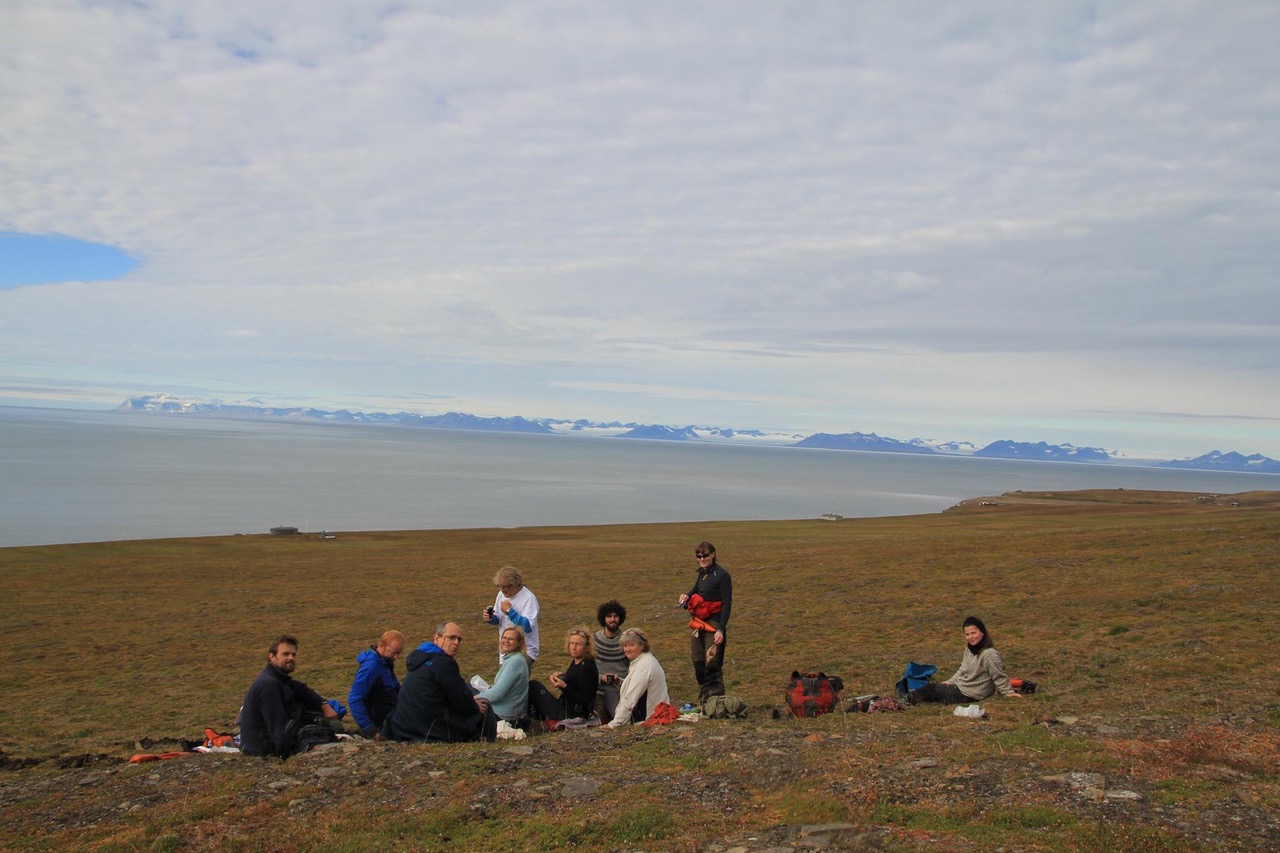
The Arctic fungi have exceptionally large genomes
The researchers found the largest genomes among the Mycena fungi in the Arctic.
"The Mycena fungi from Svalbard have nearly 100,000 genes and 4-500 million base pairs. In comparison, most fungi have a genome of about 30-60 million base pairs," says Bugge Harder.
It is already known that plants living in Arctic regions also have large genomes. Researchers believes this makes them more robust against extreme and demanding conditions.
"We believe the Mycena fungi in Svalbard invade plant roots and go dormant while waiting for food to be provided, meaning for the plant to die," explains Bugge Harder. "They have a little growth but let the plant live. If they don't need to compete with others for food, they can afford this. The large genetic backpack prevents them from being fast. In return, they have genetic preparedness, giving them a greater chance of survival. In other places with more competition, it's about being the fastest."
The downside of the large genome is every time a cell divides, it must copy the entire genetic material. This takes time and resources, making cell division slower than in fungi with smaller genomes.
One possible explanation for why the fungi have retained the large genome, despite its drawbacks, is how the conditions in the Arctic make it useful to experiment a bit, suggests Bugge Harder.
"If you have only one copy of a gene, you'll run into problems if it doesn't work or gets altered. If you have multiple copies, you can experiment without facing vital issues.
Genetic experimentation can give rise to new adaptations and functions.
"We also see that some genes seem to 'hitch a ride' with the repeating sequences. Maybe it's a method that causes certain genes to be copied more than others?" wonders Bugge Harder.
Globally, many fungal species are threatened
About the Project: 28 researchers from 7 countries participated.
The main partners in the project are:
University of Oslo, INRA Nancy (France), BRC in Szeged (Hungary), James Hutton Institute (Scotland), and Joint Genome Institute in the USA (California).
The project was funded by the EU through a Marie-Curie Fellowship to Christoffer Bugge Harder at the University of Oslo, and by the project 1000 Fungal Genomes (1KFG) in collaboration with Francis Martin in Nancy and the Joint Genome Institute.
"Some fungi grow only on old logs of dead wood," explains Bugge Harder. "Other fungi grow exclusively in symbiosis with rare plants. The more specialized they are, the more threatened such fungi become."
Although many fungi are endangered, Bugge Harder notes that the Red List of endangered species does not include any Mycena fungi.
"On the contrary, we see that clear-cut forests have plenty of Mycena fungi. They lie and wait within living plants and emerge to become dominant, like vultures, after logging. They seem to fare well in disturbed areas," he says. "In relation to evolutionary history, humans have introduced significant changes in a short period. Perhaps this is an advantage for these fungi," he concludes.
This article is translated by Åslaug Brynildsen.
Scientific articles:
Christoffer Bugge Harder m.fl., Extreme overall mushroom genome expansion in Mycena s.s. irrespective of plant hosts or substrate specializations, Cell Genomics, June 2024.
Chritoffer Bugge Harder m.fl., Mycena species can be opportunist-generalist plant root invaders, Environmental Microbiology, May 2023
Ella Thoen, Christoffer Bugge Harder, Håvard Kauserud, Synnøve S. Botnen, Unni Vik, Andy F.S. Taylor, Audrius Menkis, Inger Skrede, In vitro evidence of root colonization suggests ecological versatility in the genus Mycena, New Phytologist, March 2020


